
In a typical Employee Ownership Trust transaction, the selling shareholders are not paid the full purchase price on day one. Instead, a significant proportion is often left outstanding as deferred consideration – the vendor loan – which is repaid from the future profits and cash generated by the business. That can make the first few years of employee ownership feel very focused on repayment.
But the vendor loan is only part of the story. The much more interesting question is: what happens when it has gone? The debt is temporary. Employee ownership is long term.
A well-structured EOT transaction should leave the company capable of investing, trading successfully and rewarding its people while meeting its obligations to the former owners. However, there is no escaping the fact that repayment of the purchase consideration places a call on cash that might otherwise have remained within the business. That is why reaching the point where the vendor loan is fully repaid can be such an important milestone. Suddenly, cash that has been committed to funding the change of ownership becomes available for the company's future. And that can be transformational.
From repayment to reinvestment
We are now seeing increasing numbers of established employee-owned businesses reach this stage. Once the former owners have been paid in full, the company has choices.
Those choices might include:
The precise priorities will be different for every business. What matters is that the value previously leaving the business to complete the ownership transaction can increasingly be used to strengthen the company and benefit the people who now collectively own it.
We can already see it happening
There are some excellent examples among established employee-owned businesses.
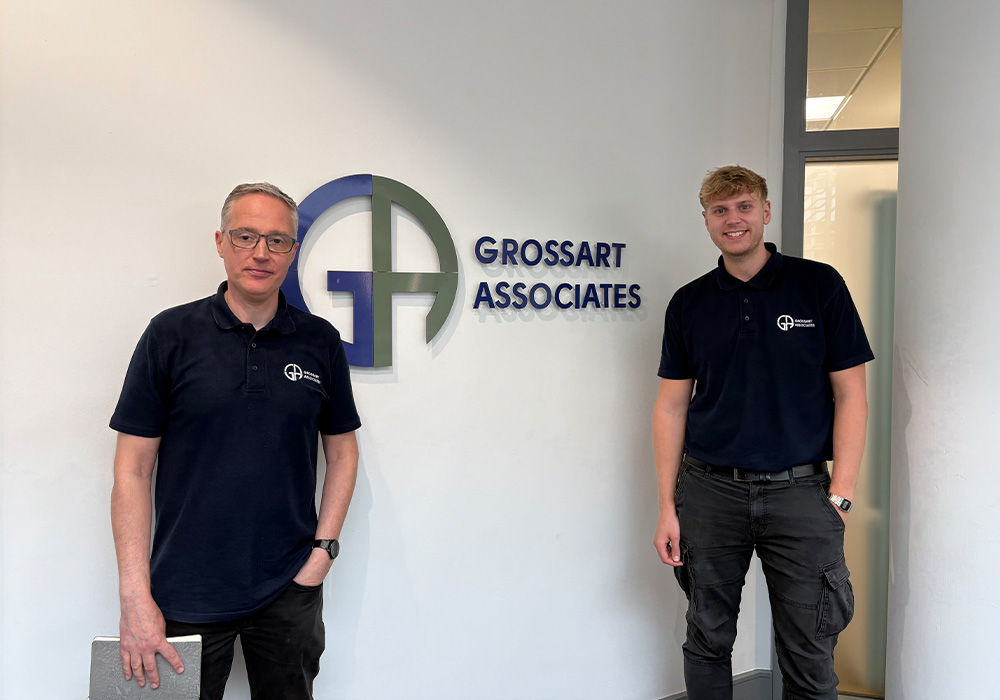
Grossart Associates became 100% employee-owned in 2019. Since making the transition, the East Kilbride engineering consultancy has continued to grow, recruit and develop its own people. The company reported its busiest year to date during the early years of employee ownership, subsequently made new senior appointments from within the business and has continued to expand its engineering team. It is a good illustration of how an EOT can provide continuity while allowing a new generation to take increasing responsibility for the company's future.

guitarguitar moved into majority employee ownership in January 2022, with its founders choosing the EOT route to protect the character and independence of the business. Having settled its EOT debt, the company has been able to look beyond funding the transaction and invest in the next stage of the business – including a significant warehouse extension to increase capacity and improve customer fulfilment. Employees are sharing in that success too, while the business is experiencing exceptionally strong trading.
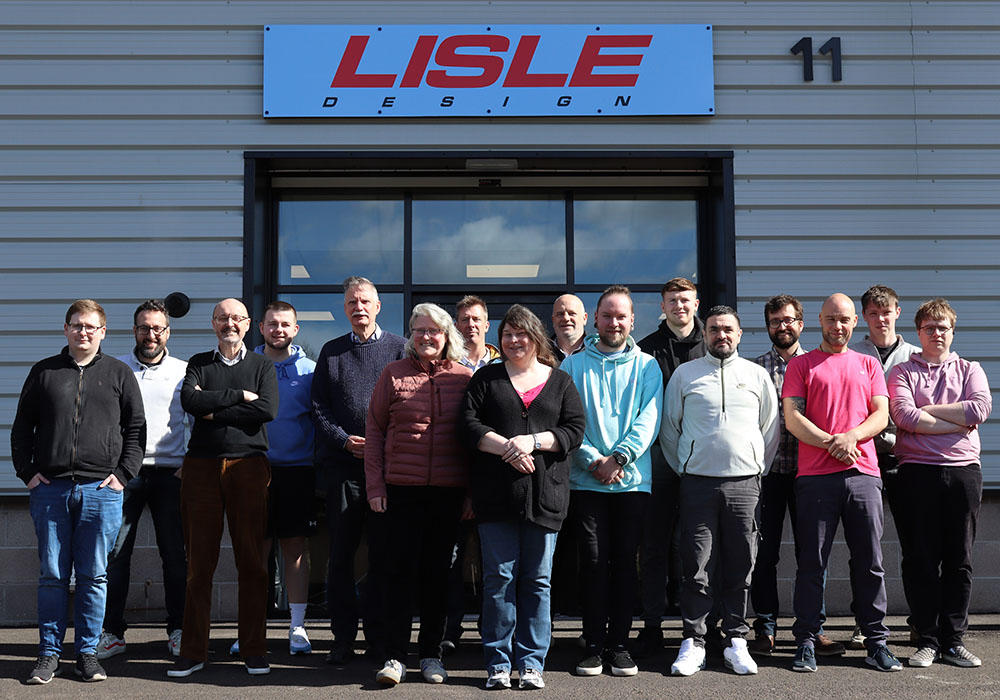
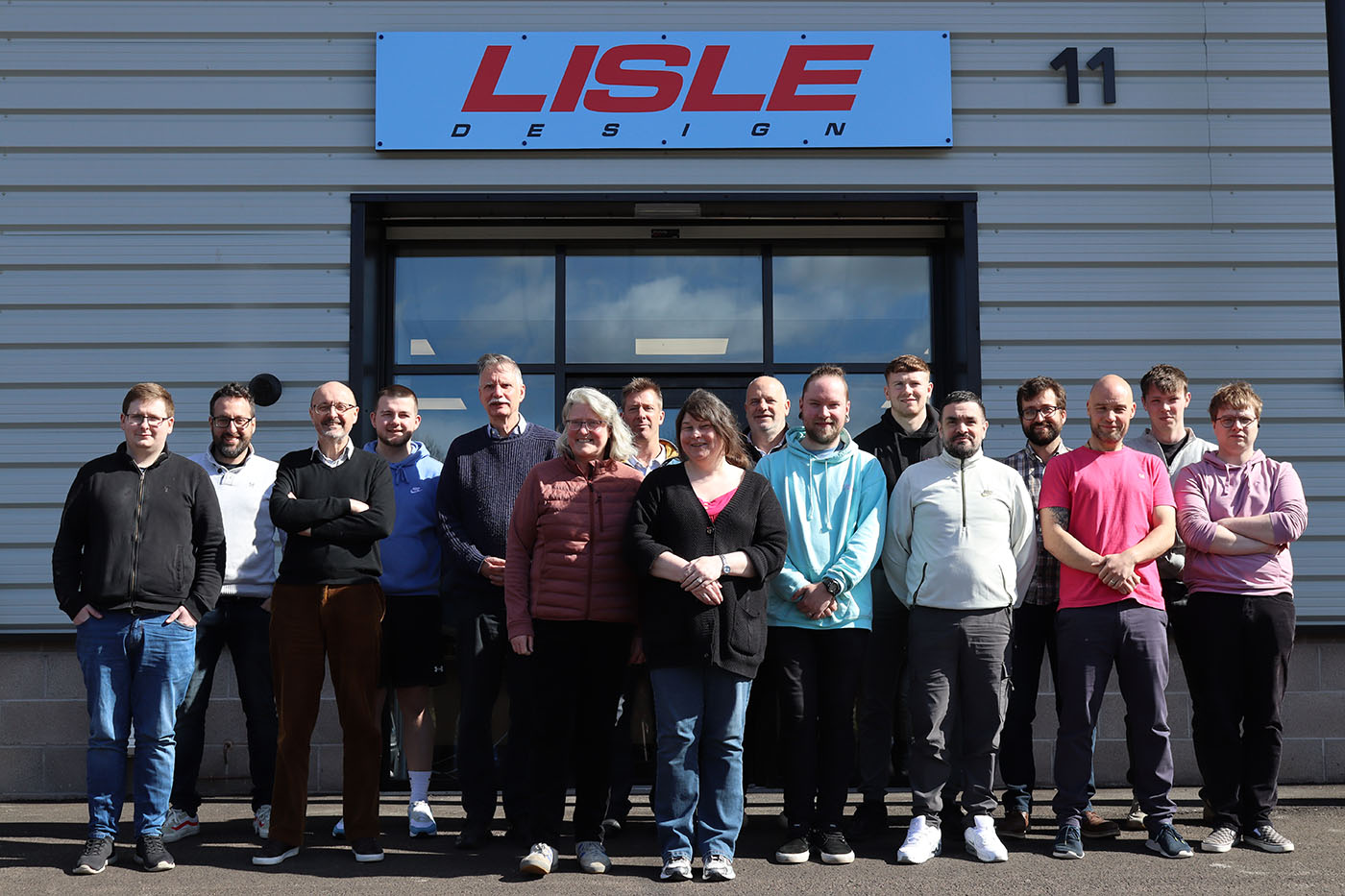
And at Lisle Design, which transitioned to employee ownership in 2021, the completion of the deferred consideration marked an important new stage in the company's development. The original rationale for the EOT was to allow the successful St Andrews business to continue to flourish in the hands of its employees rather than being sold to an external buyer. With the former owner now paid out, the value generated by the business can be directed much more fully towards its future and the employees who own it.
These companies are different in size, sector and ambition, but the principle is the same: the EOT transaction is something the business finances for a period; employee ownership is what remains for the long term.
This is when employee ownership becomes very tangible
In the early years following an EOT transaction, employees can sometimes understandably ask:
“What has actually changed for me?”
The business may look much the same. People are doing the same jobs, serving the same customers and working from the same premises. Meanwhile, a significant amount of cash may be being used to pay the former owners. It is therefore particularly important that companies explain the longer-term picture from the outset.
The purpose of employee ownership is not simply to generate an immediate tax-free bonus. It is about creating a company that is owned for the long-term benefit of its employees, where the value generated by the business can increasingly be reinvested in the company and its people.
Once the vendor debt has been settled, that becomes much easier to see.
A different kind of legacy
For the selling owners, repayment of the vendor loan is also an important moment. It means the transaction has achieved what it set out to do: the shareholders have received the agreed value for their business while the company has remained independent and continued under employee ownership. For the employees, the same milestone represents something different.
The ownership transition has been paid for. The business is theirs.
From that point onwards, strong performance has the potential to create considerably greater flexibility over how the company's resources are used.
That does not mean that every available pound should immediately be distributed to employees. An employee-owned company still needs to invest, retain appropriate reserves and make commercially sensible decisions. Indeed, one of the strengths of employee ownership is that it encourages a genuinely long-term perspective. But employees should increasingly be able to see the connection between business performance and the benefits of ownership.
More than the bonus
The EOT tax-free bonus is understandably one of the best-known attractions of the model. Qualifying EOT-controlled companies can pay eligible employees income-tax-free bonuses of up to £3,600 per employee in a tax year, subject to the statutory conditions. National Insurance remains payable.
But focusing solely on the bonus significantly understates the potential value of employee ownership. A better workplace, stronger pensions, improved employee benefits, investment in skills, greater job security and a stronger company can ultimately be worth considerably more. The real opportunity comes when the company begins to think about how the benefits of successful employee ownership should be shared between:
rewarding today's employees, investing in tomorrow's business and maintaining the financial strength needed for the long term.
Keep talking about the destination
There is an important communication lesson here for newer EOTs. Don't allow the vendor loan to become the defining feature of employee ownership. Employees should understand why the debt exists, how it is being repaid and, crucially, what the company could look like when it is gone.
Talk about that destination. Celebrate progress towards it. And when the final payment is made, recognise the achievement.
Companies such as Grossart Associates, guitarguitar, and Lisle Design demonstrate why it is worth looking beyond the repayment years. The real measure of a successful EOT is not simply whether the former owners have been paid. It is what the employee-owned company goes on to achieve afterwards.
Paying off the vendor loan isn't the end of the EOT journey. In many ways, it is the point at which the possibilities of employee ownership really begin
Scotland based employee ownership specialists.