
For business owners thinking about succession, one of the biggest questions is how to secure the future of the company without losing its identity. The transition of Total Reinstatement Services (TRS) to employee ownership offers a strong example of how an Employee Ownership Trust (EOT) can protect independence, preserve culture and create long-term value for the people behind the business.
Founded in 1998 and led by Brian Gillies, TRS has built a strong reputation for quality, service and delivery. As Brian and his wife Karen reviewed succession options, they concluded that an Employee Ownership Trust offered the best way to protect the character of the business, safeguard jobs and recognise the contribution employees have made to its success.
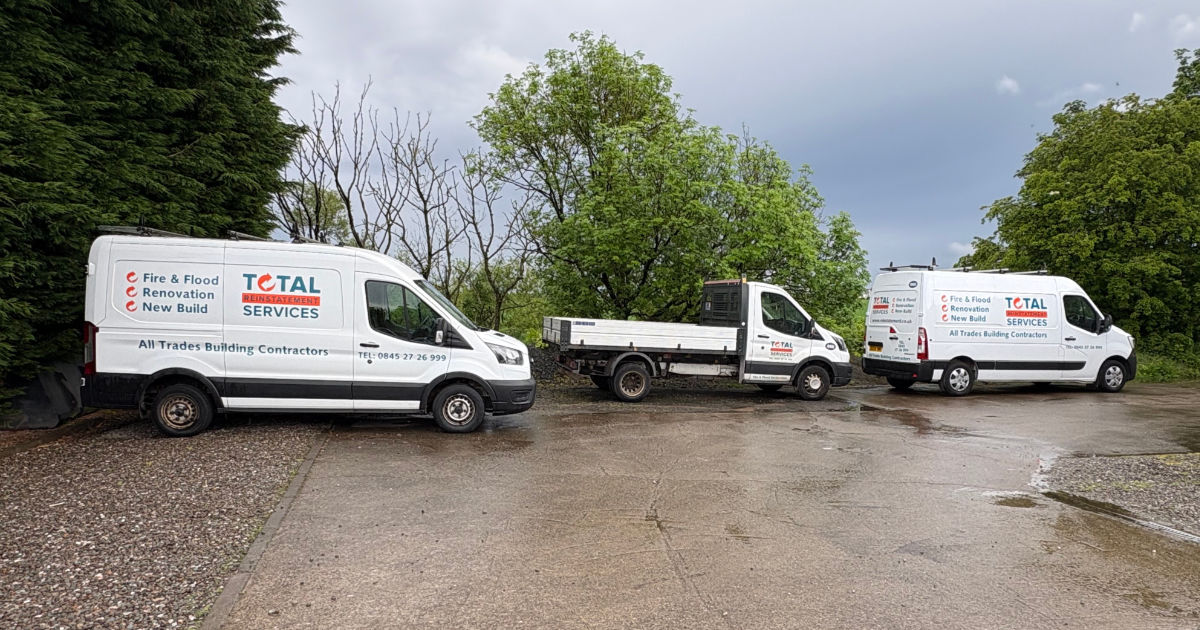
Based in Stirling, TRS provides reinstatement, renovation and new-build services across Scotland. According to its website, the business was established to offer an integrated service to the reinstatement market and works across both insurance-related and general building projects.
During the succession planning process, the company explored a trade sale and even accepted an offer for the business. In the end, however, concerns about the long-term future of TRS, its culture and its 65 employees led Brian to choose employee ownership instead. That decision reflects a key reason many owners consider an EOT: it can offer a succession route that supports continuity as well as value.
Commenting on the transition, founder Brian Gillies said:
"TRS has been my entire focus since 1998. We have built a business with a strong reputation, a talented team and a unique culture. While other succession options were available, Karen and I believed that employee ownership was the best way to safeguard everything that makes TRS special.
"The move to an Employee Ownership Trust allows the people who have helped build this business to share in its future success. It creates a level of job security seldom found within the construction sector and gives employees a genuine opportunity to influence and benefit from the company's future growth."
Under the new structure, ownership of TRS and its holding company, Burnside Holdings Ltd, has transferred to an Employee Ownership Trust on behalf of the employees. Brian and Karen also demonstrated their commitment to the long-term success of the business by agreeing a sale price below both market valuation and a previous third-party offer, alongside substantial vendor funding to support the transition.
Importantly, the transition does not change the day-to-day operation of the business. The existing leadership team remains in place, providing continuity for customers, suppliers and employees while ownership moves into a structure designed to benefit the wider workforce over time.
TRS will continue to be led by Managing Director Sandy Stewart, supported by an experienced management team that has played a key role in its growth. Brian will remain involved as Chairman, providing guidance and support as the next generation of leaders takes the business forward. For owners considering succession, this is another important feature of employee ownership: it can create a route to transition without disrupting leadership continuity.
Brian added:
"The opportunities available to TRS are immense. We have built a strong platform for future growth and I firmly believe the business is best placed to realise that potential through employee ownership. The future success of the company will be driven by the collective efforts of its people and the rewards generated will remain within the business for the benefit of employees and their families."
For many founders, the appeal of employee ownership lies in its ability to balance personal exit goals with long-term stewardship. It can help preserve independence, retain leadership continuity and share the benefits of future growth more widely across the business.
From an advisory perspective, Alastair Barclay, Partner at local law firm Kerr Stirling who advised on the transaction, said:
"TRS is an excellent example of why employee ownership continues to gain momentum across Scotland. Brian and Karen have built a successful business with a strong culture and a loyal workforce. By choosing employee ownership, they have created a succession solution that protects the independence of the company while ensuring that future success is shared with the people who help create it.
"The commitment they have shown to making this transition possible demonstrates their confidence in the business and their belief in the team that will take TRS forward."
For employees, the move marks a new chapter. TRS will continue to operate under the same brand and leadership team, but ownership now rests with its employees, creating a closer connection between the company’s progress and the people behind it.
TRS’s transition shows how employee ownership can be a practical succession solution. For the right business, it can protect legacy, support continuity and create long-term value for employees as well as founders.
Scotland based employee ownership specialists.